
-
 Free Shipping Over $250
Extension for 53" × 58½" Modular Wall Heat Shield — Fits AC02762
Vendor:SBIRegular price $142.00 USD -
 Free Shipping Over $250
Tri-Fold Black Wall Heat Shield
Vendor:SBIRegular price $169.00 USD -

 Free Shipping Over $250
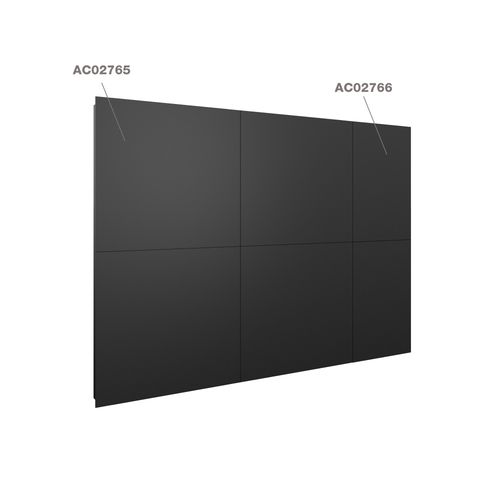
Extension for 60" × 64⅛" Modular Wall Heat Shield — Fits AC02765
Vendor:SBIRegular price $199.00 USD -
 Free Shipping
 -

 Free Shipping
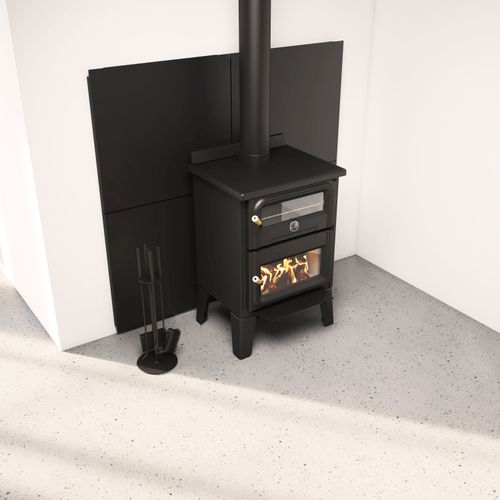
60" × 64⅛" Certified Modular Wall Heat Shield — Fits Drolet Bistro Cookstove & Deco Alto
Vendor:SBIRegular price $599.00 USDBackorder


How a heat shield reduces clearance
A wall shield puts a non-combustible panel in front of the wall with a ventilated air gap behind it, open at top and bottom, so heat rises and carries away instead of soaking into the wall. That air gap and its spacers matter as much as the panel itself — a shield mounted flat against the wall does almost nothing. The amount of clearance you can actually reduce is set by the appliance's listing and your local code, not by the shield on its own. Take the permitted figure from your stove's owner's manual and our clearances guide, then choose a shield certified for that use. Our wall heat shield guide covers the field-built alternative if your stove is not on the fitment list.
Wall protection and floor protection
A heat shield protects the wall behind the stove. The floor under the stove is a separate requirement met by a hearth pad, and most installs need both. These modular shields are matched to specific Drolet and Englander stoves, so confirm your model is on the fitment list before ordering. For the venting side of the install, see stove pipe and venting.
What you'll need for installation
A wall shield only works with its ventilated air gap intact, so it mounts on non-combustible spacers that hold it off the wall and leave the top and bottom open for airflow — never seal those edges or pack the gap with insulation. Mount it so it covers the area the manual specifies around the stove and connector pipe. The exact clearance you're allowed to reduce comes from the stove's owner's manual and local code; our clearances guide explains how to read those figures.
Heat shield FAQs
How much clearance does a heat shield save?
That depends entirely on your specific stove's listing and local code — there's no single universal figure, and a shield doesn't grant a fixed reduction by itself. Read the permitted reduced clearance from your stove's owner's manual for a shielded wall, and use a shield certified for that use.
Why does the air gap matter so much?
The ventilated gap behind the panel is what makes a shield work: air moves up behind it and carries heat away before it reaches the wall. A panel bolted flat to the wall traps heat instead and offers little protection, which is why the spacers and open top and bottom are essential.
What's the difference between a heat shield and a hearth pad?
A heat shield protects the combustible wall behind or beside the stove; a hearth pad protects the floor beneath and in front of it. They address different clearances, and most wood stove installs need both.
Will one of these shields fit my stove?
The modular panels here are certified for the Drolet and Englander models listed on each product page. If your stove is on that list, the matched shield is the straightforward choice; if not, follow your manual's field-built shield requirements instead.
Can I build my own wall shield?
Code does allow field-built shielding when it meets the air-gap and material rules in your stove's manual, but a listed modular panel takes the guesswork out and is sized to the stove. Either way the clearance you may claim comes from the manual and local code.
Do you charge sales tax on heat shields?
No. StoveSource charges no sales tax in any state, and orders over $250 ship free to the lower 48.