
-

 Free Shipping Over $250
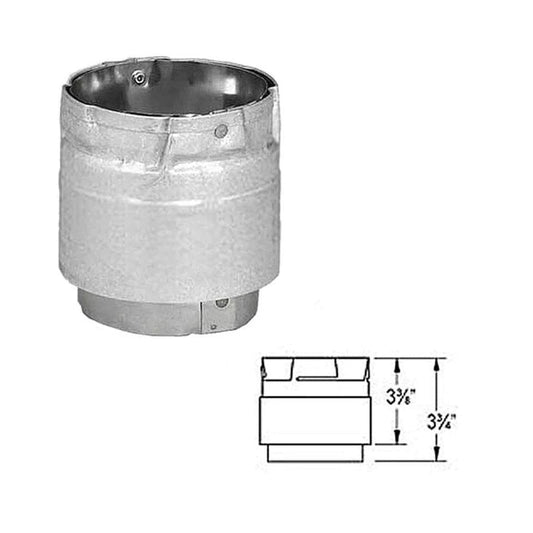
DuraVent 3" Appliance Adapter — Fits All ComfortBilt Pellet Stoves
Vendor:DuraVentRegular price From $36.95 USD -
 Free Shipping Over $250
Vortex 4" Pellet Vent Pipe
Vendor:VortexRegular price From $39.00 USD -

 Free Shipping Over $250
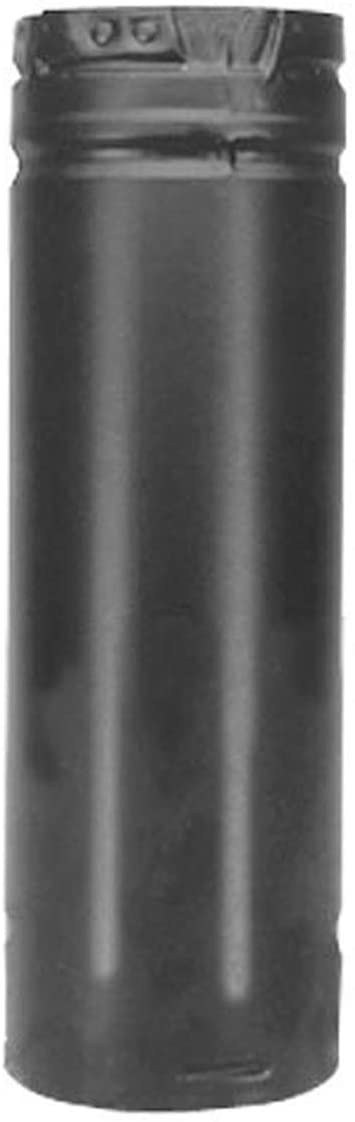
DuraVent 3" PelletVent Pro Straight Pipe
Vendor:DuraVentRegular price From $39.41 USD -
 Free Shipping Over $250
3" to 4" Pellet Stove Black Increaser — VOP5152
Vendor:VortexRegular price $45.00 USD -
 Free Shipping Over $250
Vortex 4" Pellet Vent Wall Support
Vendor:VortexRegular price $55.00 USD -
 Free Shipping Over $250
Vortex 4" Pellet Vent 45° Elbow
Vendor:VortexRegular price $59.00 USD -
 Free Shipping Over $250
Vortex 4" Pellet Vent Roof Flashing — 7/12 to 12/12 Pitch
Vendor:VortexRegular price $59.00 USD -
 Free Shipping Over $250
Vortex 4" Pellet Vent Slip Section — 9" Adjustable
Vendor:VortexRegular price $59.00 USD -
 Free Shipping Over $250
Vortex 4" Pellet Vent Jet Cap
Vendor:VortexRegular price $59.00 USD -
 Free Shipping Over $250
DuraVent 3" PelletVent Pro Horizontal Termination Cap
Vendor:DuraVentRegular price $63.99 USD -
 Free Shipping Over $250
Vortex 4" Pellet Vent 90° Elbow
Vendor:VortexRegular price $75.00 USD -
 Free Shipping Over $250
Vortex 4" Pellet Vent Black Wall Pass-Thru
Vendor:VortexRegular price $75.00 USD -

 Free Shipping Over $250
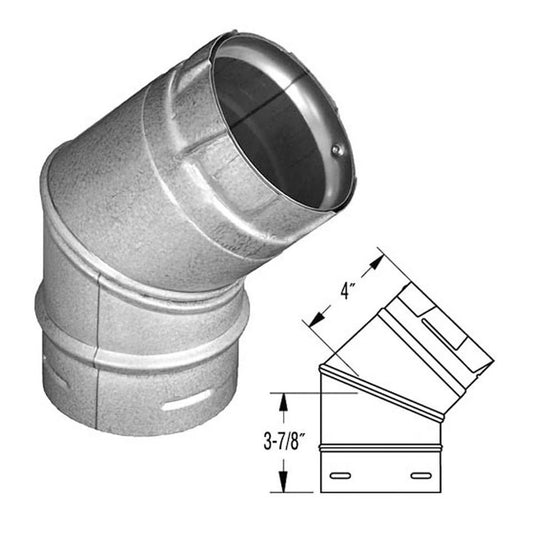
DuraVent 3" PelletVent Pro 45° Elbow
Vendor:DuraVentRegular price From $83.48 USD -

 Free Shipping Over $250
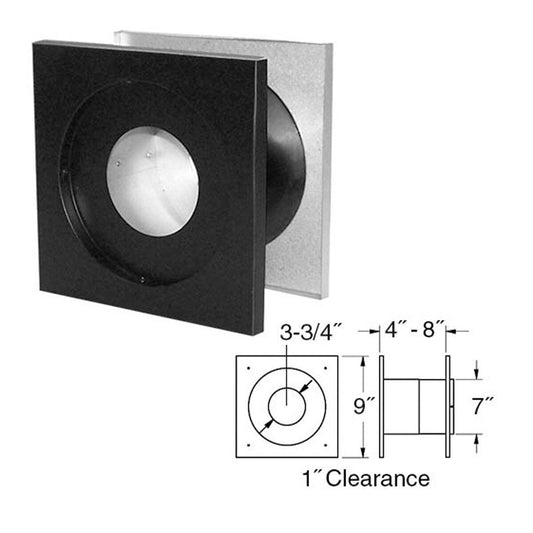
DuraVent 3" PelletVent Pro Wall Thimble
Vendor:DuraVentRegular price $84.99 USD -
 Free Shipping Over $250
Vortex 4" Pellet Vent Firestop Radiation Shield
Vendor:VortexRegular price $89.00 USD -

 Free Shipping Over $250
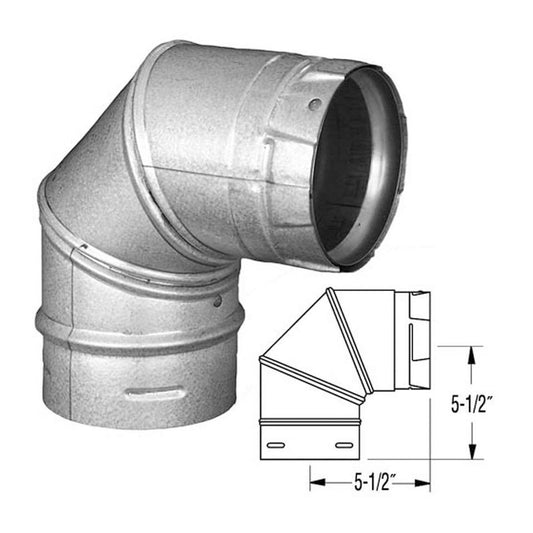
DuraVent 3" PelletVent Pro 90° Elbow
Vendor:DuraVentRegular price From $99.86 USD -
 Free Shipping Over $250
Vortex 4" to 3" Pellet Vent Tee and Cap Adapter
Vendor:VortexRegular price $109.00 USD -
 Free Shipping Over $250
Vortex 4" Pellet Vent Tee with Clean-Out Cap
Vendor:VortexRegular price $119.00 USD -
 Free Shipping Over $250
DuraVent 3" to 4" PelletVent Pro Increaser — Black
Vendor:DuraVentRegular price $119.99 USD -

 Free Shipping Over $250
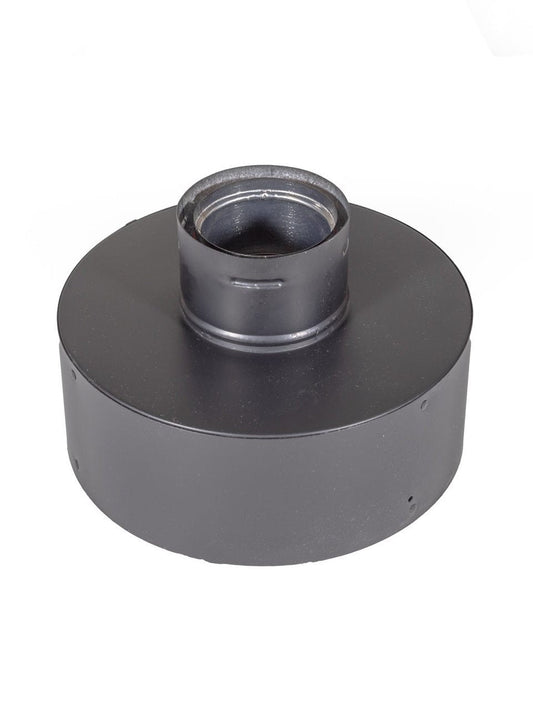
DuraVent 3" PelletVent Pro Chimney Adapter
Vendor:DuraVentRegular price $127.99 USD -

 Free Shipping Over $250
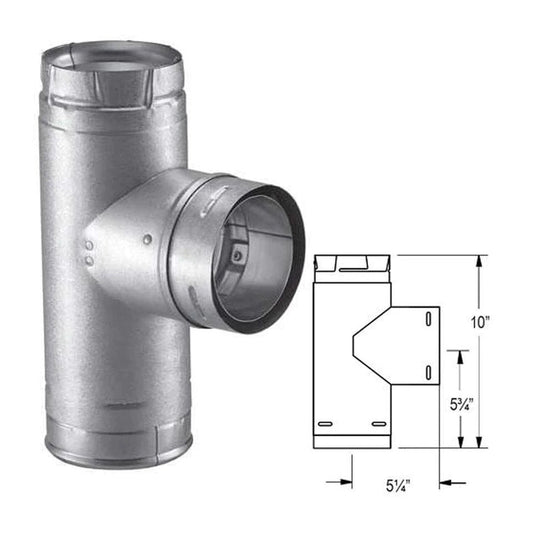
DuraVent 3" PelletVent Pro Single Tee with Clean-Out Tee Cap
Vendor:DuraVentRegular price From $135.87 USD -
 Free Shipping Over $250
Vortex 4" Pellet Vent Square Ceiling Support
Vendor:VortexRegular price $145.00 USD -
 Free Shipping Over $250
DuraVent 3" PelletVent Pro Increaser Adapter Tee — Black
Vendor:DuraVentRegular price $189.99 USD -
 Free Shipping Over $250
DuraVent 3" Wall Thimble + Outside Air Kit — Mobile Home Required
Vendor:DuraVentRegular price $229.99 USD -

 Free Shipping
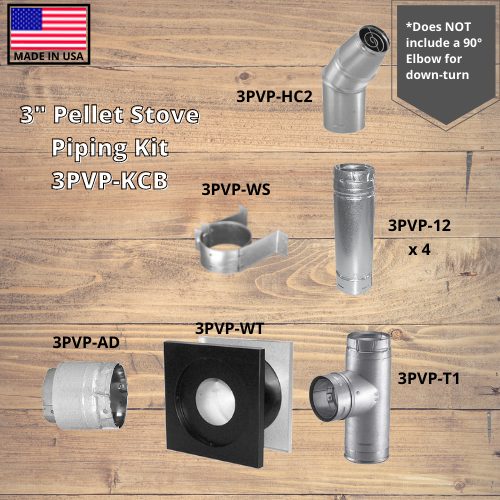
ComfortBilt 3" Pellet Vent Kit — Fits All ComfortBilt Stoves (DuraVent)
Vendor:ComfortBiltRegular price From $429.00 USD -
 Free Shipping
ComfortBilt HP22i Liner Kit — Required Flexible Vent for HP22i Insert
Vendor:ComfortBiltRegular price $489.00 USD -

 Free Shipping
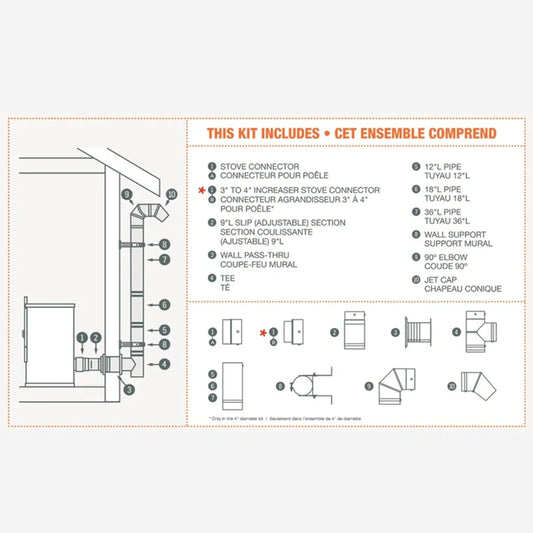
3" Pellet Vent Ground Floor Kit — VOPKGF03
Vendor:VortexRegular price $629.00 USD -

 Free Shipping
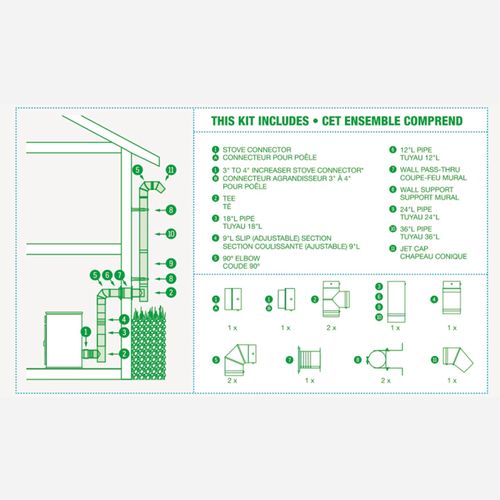
Vortex 4" Pellet Vent Ground Floor Kit
Vendor:VortexRegular price $699.00 USD -

 Free Shipping
Vortex 4" Pellet Vent Basement Kit
Vendor:VortexRegular price $969.00 USD -

 Free Shipping Over $250
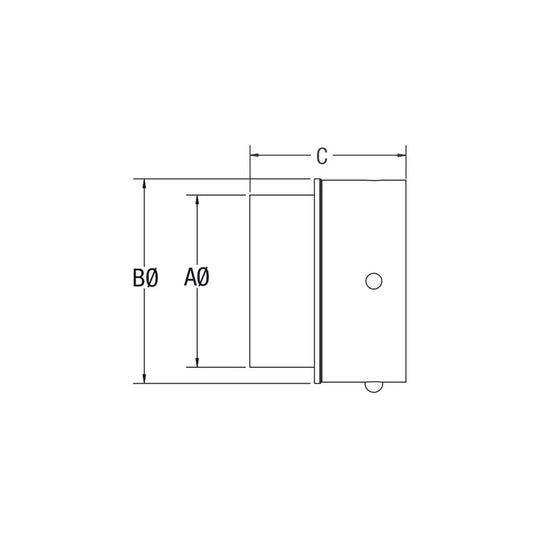
3" Pellet Stove Black Adapter — VOP0150
Vendor:VortexRegular price $35.00 USDBackorder -
Free Shipping Over $250
4" Pellet Stove Black Adapter — VOP0151
Vendor:VortexRegular price $39.00 USDBackorder


The stoves this vent fits
This pipe vents the pellet stoves we sell — the ComfortBilt line uses 3", and the complete ComfortBilt 3" kit bundles the pipe, elbow, tee, and cap for a standard install. The HP22i pellet insert uses a flexible liner kit instead of rigid pipe, since it vents up an existing chimney. Wood stoves and inserts use different venting — see stove pipe and chimney liner kits.
What you'll need for installation
A basic rear-vent install needs a wall thimble, a tee with a clean-out cap at the elbow, and a horizontal termination cap outside. A mobile-home install additionally requires an outside air kit — the wall thimble with air-intake kit combines both. Even on a horizontal run, a short vertical rise improves draft and protects against smoke spillage during a power loss; follow the clearances in your stove's manual and our clearance guide, and set the stove on a rated hearth pad.
Pellet venting FAQs
Do I need 3" or 4" pellet vent?
Most installs use 3", including every ComfortBilt stove. Go to 4" for long runs, homes above roughly 2,500 ft elevation, or when the stove's manual calls for it. A 3"-to-4" increaser lets you start at the stove's 3" collar and step up.
Can pellet vent run straight out through the wall?
Yes. A rear-vent pellet stove commonly vents horizontally out an exterior wall on a tee — that's why pellet stoves work in homes without a chimney. Best practice is a short vertical rise before or after the wall for draft; the pipe run details are in your stove's manual.
What's the difference between top vent and rear vent?
It refers to where the pipe leaves the stove. A rear-vent stove connects at the back and goes straight out the wall; a top-vent stove connects on top and rises before turning out the wall or continuing up a vertical run. Many stoves can be configured either way — check the manual.
Can I use wood stove pipe for a pellet stove?
No. Pellet vent is a sealed, listed system built for the pressurized, lower-temperature exhaust of a pellet stove. Wood stove connector pipe is not interchangeable and must not be substituted.
Does a pellet stove need a chimney?
No. Pellet vent is commonly run horizontally out a wall, so a masonry chimney isn't required — though an existing chimney can be used with a chimney adapter and vertical run.
Do you charge sales tax on pellet venting?
No. StoveSource charges no sales tax in any state, and orders over $250 ship free to the lower 48.
Sizing the vent
Pellet vent is a sealed, listed system (not wood stove pipe), sized to your stove and run either horizontally out a wall or vertically up and out. We carry DuraVent PelletVent Pro and Vortex components.
Sizing the vent
Step up to 4" for longer runs, higher altitudes, or when the stove specifies it — a 3"-to-4" increaser makes the transition at the stove. Then match the routing to your stove's outlet: a rear-vent (back) connection turns straight out through the wall on a tee, while a top-vent connection rises first before turning out the wall or continuing up. Your stove's manual states the required diameter and outlet position.